
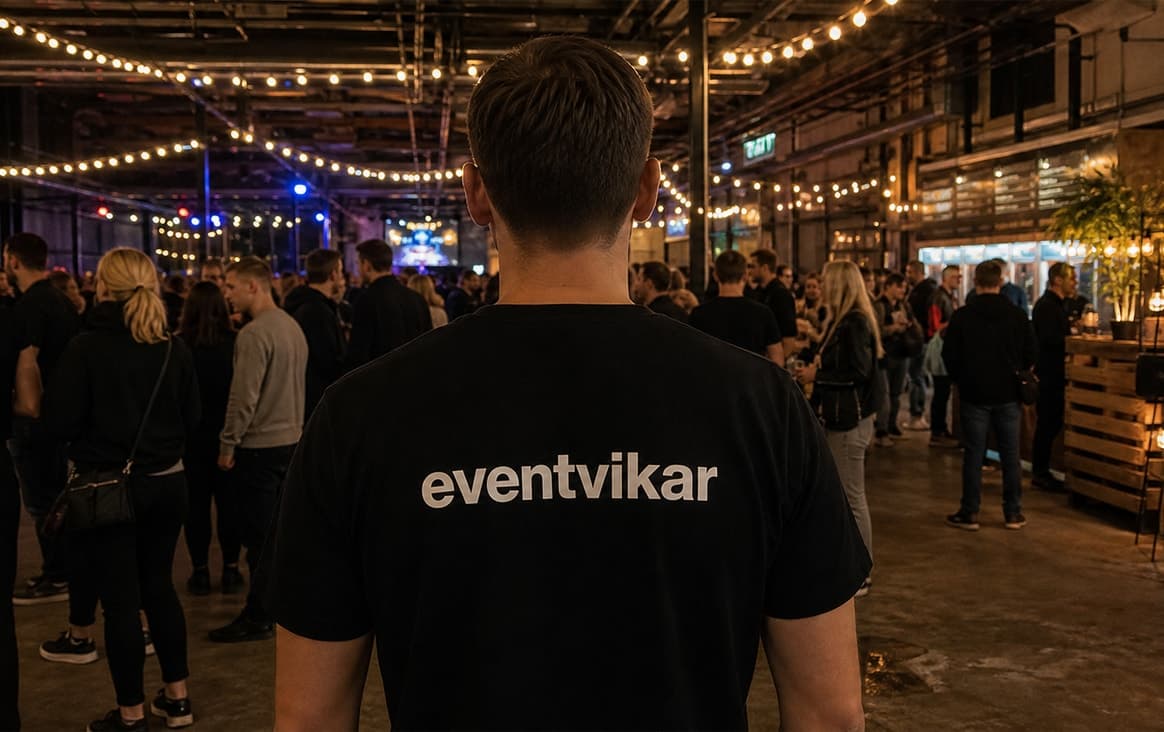
Local staff reduce operational friction
When a foreign company hosts an event in Denmark, local event staffing can be a practical advantage. Local staff understand common service expectations, language shifts, guest flow and how Danish venues often operate.
This does not mean every detail must be local. But bartenders, wait staff, check-in hosts, cloakroom staff and event crew are easier to manage when the team understands both Danish and international event culture.
Clarify language and guest profile early
Explain whether guests are mainly Danish, international or mixed. Many Copenhagen events work best with staff who can move naturally between Danish and English.
Also describe whether guests are clients, employees, press, partners or the public. Brand ambassadors for a campaign need a different brief from check-in staff at a closed business conference.
Describe tasks, not only titles
Foreign planners may use job titles differently from Danish suppliers. It is often better to describe tasks: welcoming guests, handing out badges, serving drinks, clearing tables, supporting the bar or guiding the flow.
When tasks are concrete, a staffing partner can match the roles more accurately. This reduces misunderstandings and makes the quote more useful.
Send local logistics in one place
Share the venue address, access details, arrival time, onsite contact, schedule, dress code, materials and whether staff need to bring black shoes, shirts or other basics. For longer shifts in Denmark, breaks and meals should also be considered.
For foreign companies, the best solution is often a short shared operations brief. It combines international expectations with local execution so staff can start calmly and confidently.